IntroIntroduction
A small business tax accountant can help business owners manage tax obligations, reduce financial risks, and make informed decisions for long-term growth.
Every small business owner wants to reduce unnecessary expenses, manage taxes efficiently, and build a profitable business. However, many owners only contact their accountant when tax season arrives. This approach may leave valuable opportunities for financial planning and business growth unexplored.
A small business tax accountant can do much more than prepare annual tax returns. By providing ongoing financial guidance, reviewing business performance, and identifying potential tax-saving opportunities, an accountant can become an important strategic partner in your business.
In 2026, understanding the difference between basic tax preparation and strategic accounting can help business owners make more informed financial decisions and prepare for long-term success.
The High Cost of Reactive Tax Filing in 2026
Managing tax compliance can be particularly challenging for small businesses. Unlike large corporations with dedicated accounting departments, small business owners often handle financial records, tax obligations, and daily operations themselves.
Small business tax compliance costs are reported to be 67% higher than those of large firms, according to figures cited by the Small Business Administration in the original article. These expenses can place additional pressure on limited budgets and reduce the resources available for growth.
The problem extends beyond compliance costs. Many business owners receive a completed tax return without gaining a clear understanding of how their financial decisions affect their future tax obligations.
A reactive approach focuses on reporting past financial activity rather than planning ahead. By the time tax season arrives, important decisions about business structure, compensation, and major purchases may already be difficult to change.
A year-round accounting relationship can help address this challenge by providing regular financial reviews, identifying potential risks, and supporting important decisions before the end of the tax year.
Tax Prepare vs. Strategic Accountant: Understanding the ROISTER
A traditional tax prepare and a strategic accountant may both help your business meet its tax obligations, but their responsibilities can differ significantly.
A tax prepare generally focuses on collecting financial information, preparing tax returns, and ensuring that required documents are filed accurately and on time.
A strategic accountant takes a broader approach by helping business owners plan for upcoming tax obligations and make informed financial decisions throughout the year.
The Role of a Traditional Tax Prepare
A traditional tax prepare typically concentrates on past financial activity. Their responsibilities may include preparing annual tax returns, reviewing income and deductible expenses, organizing financial records, and helping businesses meet filing requirements.
These services are essential for maintaining tax compliance, but they may not include ongoing financial planning or business advisory support.
The Value of a Strategic Accountant
A strategic accountant works with your business beyond tax season. Depending on the services provided, this may include reviewing financial performance, identifying potential tax-planning opportunities, evaluating business structures, and supporting cash flow management.
Regular communication allows business owners to consider financial decisions while there is still time to make adjustments.
The potential return on advisory services depends on the business’s circumstances, the quality of the advice, and the costs involved. Effective planning can help identify opportunities and reduce avoidable financial risks over time.
Legal Protection: Representation Rights and Audit Defense
Choosing a qualified tax professional is important when your business faces an IRS examination or another tax-related dispute. Not every tax prepare has the same legal authority to represent clients before the Internal Revenue Service.
Understanding Tax Representation Rights
Unrolled tax prepares generally have limited representation rights before the IRS. Their authority is usually restricted to matters involving returns they personally prepared and signed, subject to applicable IRS rules.
Certified Public Accountants (Caps), Enrolled Agents (Easy), and attorneys generally have unlimited representation rights before the IRS. They can represent eligible clients in examinations, appeals, and collection matters.
Understanding these differences can help business owners choose a professional whose qualifications match their needs.
Why Professional Credentials Matter
Working with a credentialed professional can provide continuity if your business encounters a tax dispute. A qualified representative may review previous filings, respond to IRS inquiries, and help you understand the available procedures.
Before hiring an accountant, verify their credentials and confirm that their services include the type of representation your business may need.
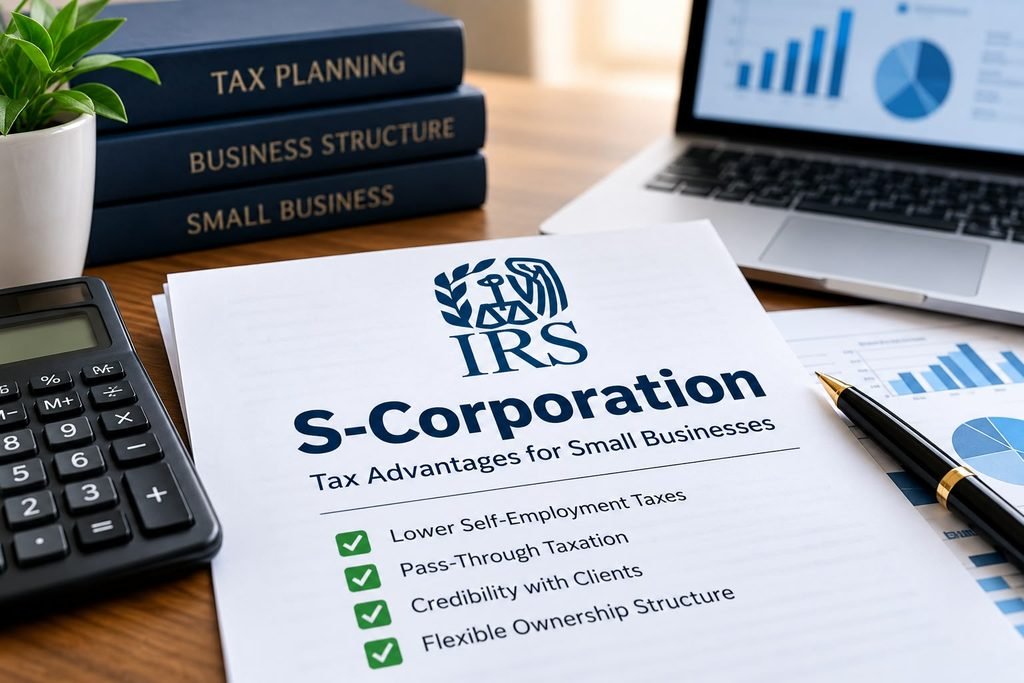
Strategic Entity Selection and the S-Corp Advantage
Your business structure can influence how your income is taxed, how you pay yourself, and what administrative responsibilities you must manage.
Many owners choose a business structure when they first launch and never review it again, even when revenue and operations change. As a business grows, its original structure may no longer be suitable for its financial circumstances.
Analyzing Your Business Structure
A strategic accountant can help evaluate different business structures by considering annual profits, self-employment tax exposure, payroll administration costs, state-level tax treatment, and the owner’s compensation requirements.
This analysis can help determine whether the current structure remains appropriate or whether another option deserves consideration.
Implementing an S-Corporation Election
For eligible businesses in the United States, an S-Corporation election may provide certain tax-planning opportunities. However, this structure also involves specific eligibility requirements, filing deadlines, and administrative responsibilities.
S-Corporation owners who work in the business generally need to receive reasonable compensation as wages. Qualifying distributions may receive different employment tax treatment, depending on the circumstances.
An accountant can help assess whether an S-Corporation election is appropriate, determine a defensible reasonable salary, and organize payroll and other requirements.
Reviewing Potential Tax Savings
The potential savings from an S-Corporation election depend on business profits, reasonable compensation, payroll costs, state taxes, and compliance expenses.
Reviewing these factors before making an election can help business owners understand the financial implications and avoid making structural decisions based on assumptions alone.
Managing Economic Nexus in a Multi-State Market
Selling products or services online allows small businesses to reach customers across different states. However, expanding into new markets can also create additional tax obligations.
Economic nexus refers to a sufficient level of economic activity in a state that may trigger certain tax responsibilities, even when a business has no physical presence there.
How Economic Nexus Works
Different states have different rules for determining when a business has economic nexus. These requirements may be based on total sales revenue, the number of transactions, or a combination of both.
An online business may therefore create tax obligations in a new state without opening a physical office or hiring local employees.
The Risks of Ignoring Nexus Requirements
Failing to identify tax obligations can result in registration problems, unpaid tax liabilities, interest, and penalties, depending on the applicable state rules.
For businesses selling across multiple states, monitoring sales activity and understanding state-specific requirements are important parts of financial management.
How a Strategic Accountant Can Help
A strategic accountant can help monitor sales by jurisdiction, review applicable thresholds, identify potential registration obligations, and establish a regular compliance process.
Monthly reviews and appropriate monitoring systems can make it easier to identify potential issues before they become more difficult to resolve.
The Bottom Line: Choosing Your Financial Partner
Choosing an accountant involves more than comparing prices or searching online for a tax accountant near me. Business owners should consider the professional’s qualifications, experience, advisory capabilities, and approach to ongoing financial support.
Demand Year-Round Communication
An accountant who reviews your financial records regularly can help you understand your business performance and consider important decisions throughout the year.
Prioritize Advisory Capabilities
Ask whether the accountant provides services such as tax planning, business structure reviews, compensation planning, and financial forecasting.
Verify Professional Credentials
Check whether the professional is a CPA, Enrolled Agent, attorney, or another type of tax professional, and understand the representation rights associated with their credentials.
Ask About Their Planning Process
During an initial consultation, ask how they approach tax planning, business structure, reasonable compensation, and potential multi-state obligations.
Understanding their process can help you determine whether their services align with your business requirements.
Securing Your Business Future with Small Biz Ledger Guide
Small Biz Ledger Guide focuses on helping small business owners understand their finances, manage accounting responsibilities, and plan for future growth.
Our approach to small business accounting services includes continuous engagement, which may involve monthly bookkeeping, quarterly planning conversations, business structure reviews, compensation planning, and monitoring relevant tax obligations.
The first step is to evaluate the accounting support your business currently receives. Review your recent conversations with your accountant and consider whether they have addressed decisions that could still influence your financial results.
If your accounting relationship focuses mainly on historical reporting, exploring additional advisory services may help you identify areas where more planning is needed.
When you’re ready to take a more strategic approach to your business finances, Small Biz Ledger Guide can help you review your current arrangements and understand potential opportunities.
Schedule a strategy review through our contact page to learn more about our services and arrange a consultation with the Small Biz Ledger Guide team.